How to deal with damaged warehouse racking
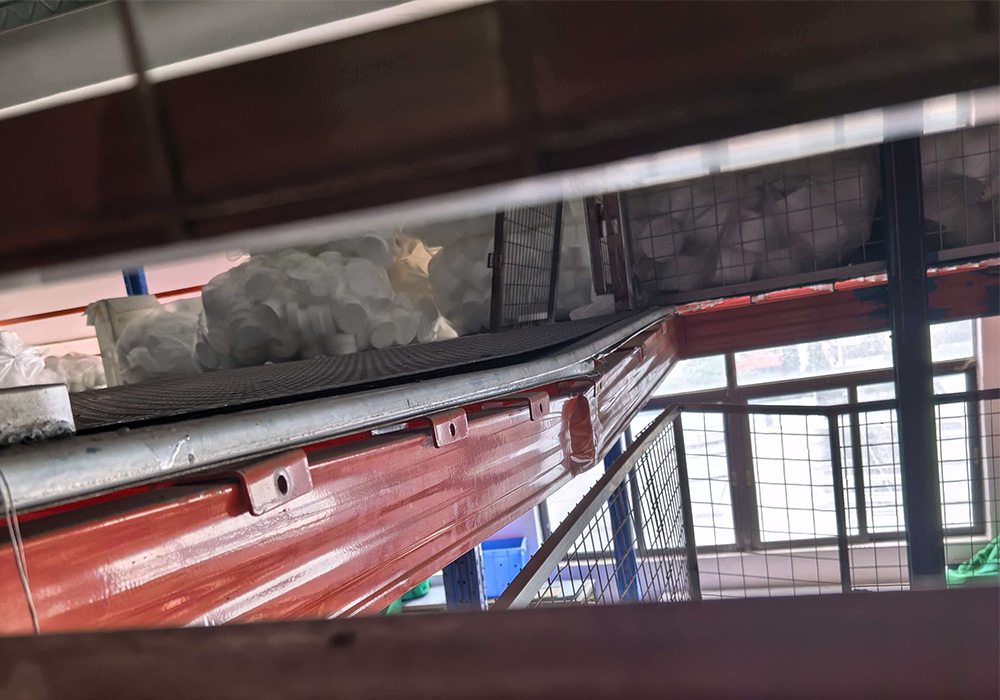
Dealing with damaged industrial racking poses a potential risk to the physical integrity of employees and also to the operational efficiency and reputation of the company.
At GeZhi Racking, we understand the critical importance of appropriately and quickly addressing any situation involving damage to industrial racking. We discuss in detail below how to deal effectively with damaged racking, ensuring safety and protecting stored products.
How do you identify damaged industrial racking?
To identify damaged racking, it is important to carry out a detailed visual inspection, looking for any signs of visible damage, such as deformation, cracks, corrosion or broken welds, and checking to see if the racking is correctly levelled and for any loose or misaligned components. It is also crucial to detect signs of structural damage, such as changes in the stability or tilt of the racking. Finally, it is necessary to evaluate the load capacity of the racking, ensuring that the established limit is not exceeded to avoid any risk of collapse.
Visual inspection of the racking
Carry out a thorough visual inspection of the damaged racking to identify any type of deformation, corrosion or cracks and examine the racking components, such as the uprights, beams and brackets, for any sign of visible damage. Look also for any changes in the shape or alignment of the structure to ensure its integrity. It is also vitally important to check if the racking is levelled correctly and if there are any misaligned or loose components that could compromise its stability.
Detection of signs of structural damage
Once it has been visually inspected, it is essential to detect signs of structural damage to a racking unit to ensure its safety. Carefully observe if the racking shows signs of tilting, movement or instability, as these may be indicative of serious damage to the structure. It is a good idea to listen out for any unusual noises, such as creaking or squeaking, which could be signs of damaged components. Additionally, check for changes in the alignment of the brackets, uprights or beams and if any of these signs are detected, it is important to take immediate action to avoid potential risks.