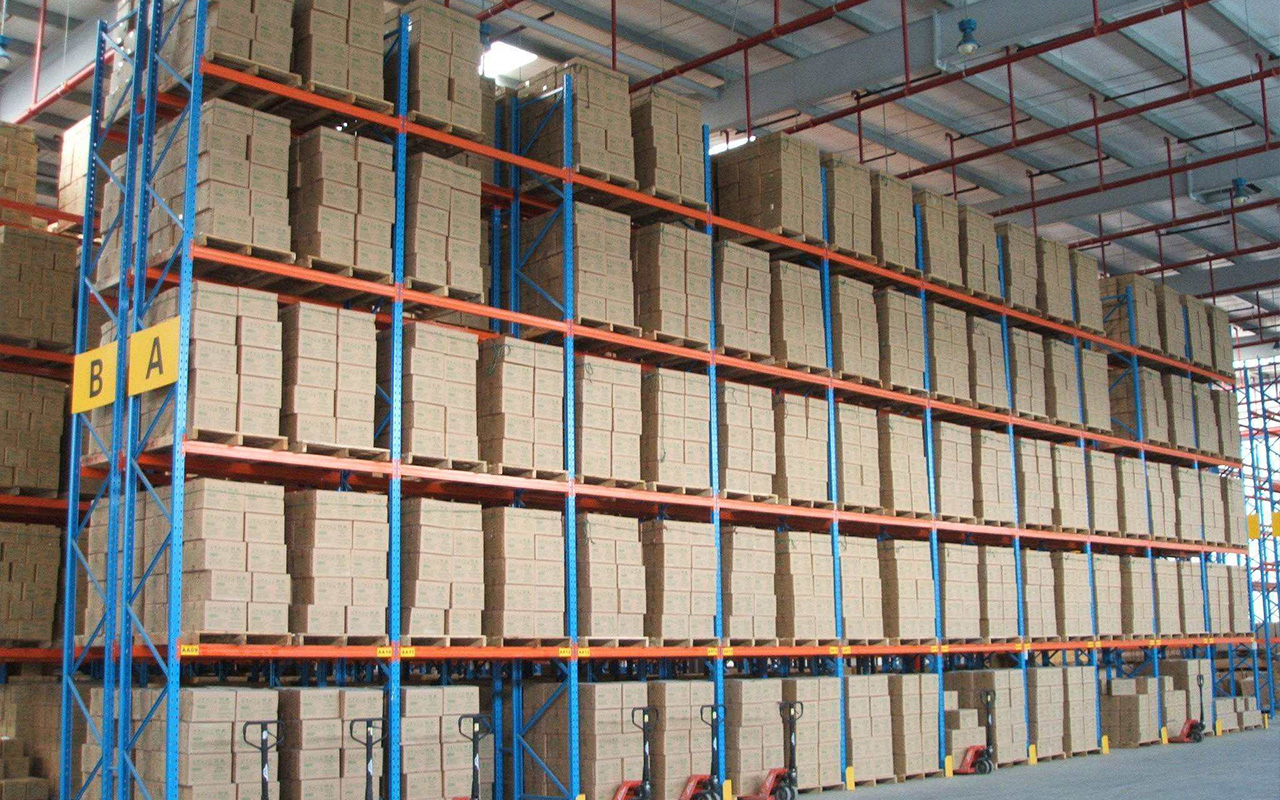
Proper design and installation lay the foundation for successful warehouse racking. However, little optimizations can also go a long way. Follow these best practices to optimize your investment in warehouse racks.
1. Use Clear Labels and Tags
Proper labeling and tagging of inventory stored on warehouse racks can improve organization and inventory management. Barcode labels or RFID tags facilitate easy scanning, enabling accurate stock counts and quick item retrieval. Also, clearly labeled load limits and inventory details prevent employees from overloading the racks.
Avoid damaged or faded rack labels. Go with GeZhi’s durable labels and tags, which are rated to last up to 20 years in even the most rugged environments.
2. Routinely Inspect Warehouse Racks
The best inspection routine depends on the complexity of the racking system, load weights, and frequency of use. Racks with more complex setups and components will need more regular inspections.
Conduct regular inspections to detect any signs of wear, damage, bending, or loose bolts. Ensure all anchor bolts are secure and the beams are locked in place.
Consider your environment, too. If you’re in a humid environment, for example, inspect for rust or corrosion and treat affected areas promptly to maintain the rack’s structural integrity.
Maintenance is also crucial. Create a maintenance schedule that includes periodic tightening of bolts, replacing worn-out components, and repairing damaged sections.
For racks with moving components, such as push back or flow racks, ensure that rollers, tracks, and other moving elements are regularly lubricated and free of debris.
3. Train Employees
Train employees on proper loading and unloading techniques, emphasizing safe handling practices and how to prevent overloading. For example, ensure your team evenly distributes loads across beams to avoid tipping, leaning, or collapse.
Train them to always place heavier loads on lower shelves to reduce stress on the system.
It’s also crucial to ensure specialized employees have relevant training and certifications. Forklift operators must be up-to-date with their certifications. Aside from tracking certifications, ensure forklift operators understand how to safely navigate around racks and avoid collisions.