
A نظام أرفف المستودعات plays a vital role in organizing storage, improving inventory access, and maximizing available space. In today’s fast-moving logistics and eCommerce-driven environment, an efficient pallet racking setup is no longer optional – it is essential for cost control and operational efficiency.
Modern storage solutions such as selective pallet racking help warehouses reduce wasted space, simplify inventory handling, and improve productivity. As packaging evolved from manual handling to palletized loads, metal racking systems became the backbone of efficient warehouse operations. Among them, selective pallet racking remains one of the most widely used solutions worldwide.
What is selective pallet racking?
Selective pallet racking is a warehouse storage system designed to store palletized goods in horizontal rows and vertical levels. Its biggest advantage is direct access – every pallet can be retrieved without moving others. This makes it ideal for warehouses handling a wide range of SKUs, fast-moving inventory, or frequent stock rotation.
Because of its simple design, compatibility with standard forklifts, and adaptability to different layouts, selective pallet racking is suitable for warehouses of all sizes, from small storage facilities to large distribution centers.
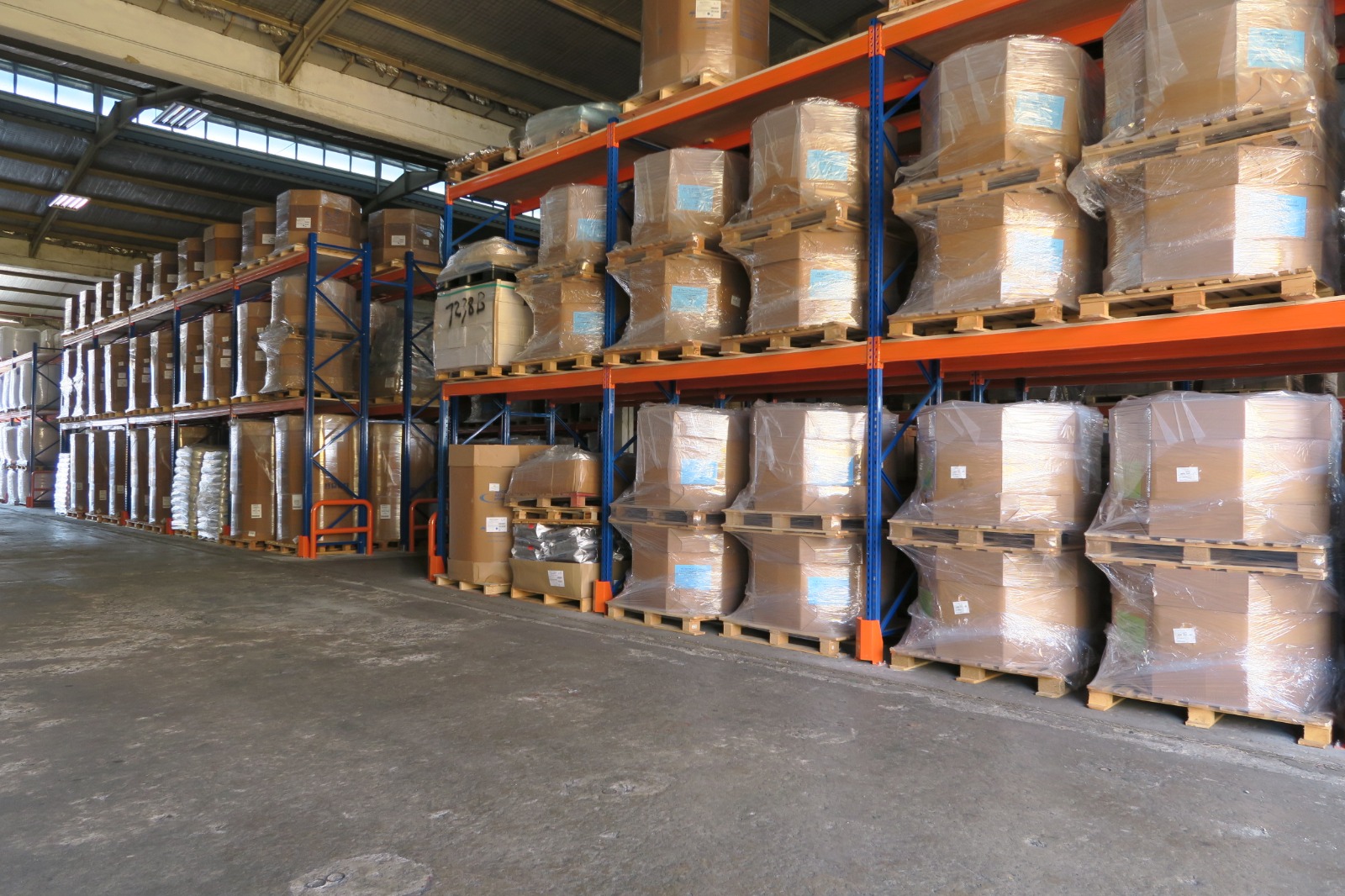
Why is selective pallet racking widely used?
With the rapid growth of eCommerce and global distribution networks, demand for warehouse space has increased significantly. Businesses require strong warehouse racking systems that support faster picking, accurate inventory control, and scalable operations. Selective pallet racking meets these needs by offering flexibility, cost efficiency, and easy reconfiguration as storage requirements change.
Market research consistently shows rising investment in pallet racking systems as companies expand warehousing capacity to meet shorter delivery timelines and higher customer expectations.
To understand the basic structure and function of these systems, you can refer to this detailed overview of pallet racking.
Types of selective pallet racking systems
Warehouse racking systems are generally classified based on storage density and accessibility.
1. Low-Density Racking Systems
(i) Selective Pallet Racking
This is the most common and versatile option. It works with standard forklifts and provides 100% access to all pallets, making it ideal for facilities with diverse inventory.
2. High-Density Pallet Racking Systems
High-density systems are designed to maximize storage capacity while balancing accessibility. Common types include:
(i) Double-deep and triple-deep racking
(ii) Drive-in and drive-through racking
(iii) Push-back racking
(iv) Pallet flow racking
Each option suits different inventory flow and space utilization requirements.
Key components of selective pallet racking
A selective pallet racking system consists of several critical components, each designed to ensure strength, stability, and safety.
1. Upright Frames
Upright frames form the vertical structure of the racking system. They determine the height and depth of the rack and play a major role in load-bearing capacity and overall stability.
2. Horizontal Beams
Beams connect the upright frames and support pallet loads. They distribute weight evenly and ensure secure storage. Common beam types include:
(a) Step beams, which support wire mesh or cross bars
(b) Box or structural beams, suitable for heavy-duty applications
3. Bracing
Horizontal and diagonal braces reinforce the upright frames, improving strength and resistance to lateral movement.
4. Cross Bars
Cross bars provide additional pallet support between beams and help prevent pallets from falling through.
5. Safety Clips and Beam Locks
These small but essential components secure beams to upright frames, preventing accidental dislodgement during loading or unloading.
6. Base Plates
Base plates anchor the racking system to the floor, improving stability and load distribution.
Benefits of selective pallet racking systems
Choosing the right warehouse racking solution can significantly impact efficiency and profitability.
1. Optimized Vertical Space
Selective pallet racking allows warehouses to utilize vertical height effectively, increasing storage capacity without expanding floor space.
2. Long-Term Durability
High-quality racking systems manufactured to industry standards offer excellent durability and resistance to impact, reducing maintenance costs and safety risks.
3. Improved Productivity
Easy access to pallets speeds up picking and replenishment, reducing handling time and improving overall workflow efficiency.
4. Better Customer Satisfaction
Faster order fulfillment and accurate inventory handling lead to reliable service, improved customer trust, and repeat business.
5. Operational Flexibility
Selective pallet racking systems can be reconfigured or expanded as inventory profiles change, making them a future-ready storage solution.
How to choose the right selective pallet racking system?
Before selecting a racking solution, consider the available floor space and building height. In facilities with limited space, mezzanine floor systems can be integrated with pallet racking to create additional storage levels without expanding the warehouse footprint.
1. Budget: Include installation, maintenance, and future scalability costs
2. Warehouse layout: Available floor space, ceiling height, and aisle width
3. Material handling equipment: Forklift type and aisle requirements
4. Inventory characteristics: Pallet size, load weight, and stock rotation method (FIFO or LIFO)
A well-planned racking system should align with both current operations and long-term business goals.