
Beam deflection is a normal structural phenomenon when pallet rack beams bear loads. Under loaded weight, beams will produce slight bending, and this minor vertical displacement is defined as beam deflection.
Proper deflection control is essential in rack design. It must be kept within the acceptable range specified by engineering standards.
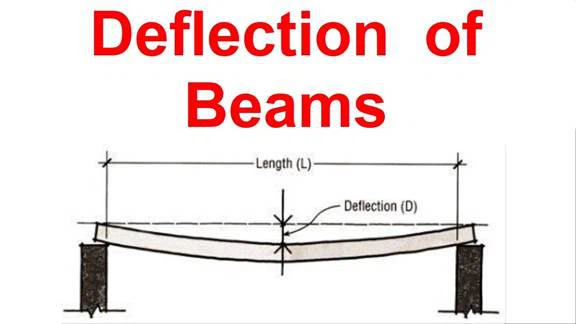
Causes of Beam Deflection
Multiple factors affect beam deflection under load:
- Beam span (distance between uprights)
- Applied load weight
- Steel thickness and material strength
- Structural design of beam profile
In general, larger span and heavier load lead to greater deflection. Thicker steel and reinforced beam profiles can effectively reduce displacement.
Allowable Deflection for Racking Systems
A widely adopted design guideline sets the maximum allowable deflection at L/180, where L refers to beam span.
For example, a beam with 2700mm span permits a maximum deflection of about 15mm under full load.
Actual deflection limits vary in accordance with different industry standards including RMI, FEM and AS4084.
Importance of Deflection Control
Slight beam bending is normal, yet excessive deflection will trigger operational and structural risks, such as unstable pallets, extra stress on beam connectors and uprights, and long-term structural fatigue caused by overloading.
Hence, deflection control is a core part of safe pallet rack design.
Ways to Improve Beam Performance
- Adopt thicker steel or higher-grade steel materials
- Optimize beam profile structure
- Shorten beam span reasonably
- Ensure even load distribution on beams
Professional engineering design and standard load management maintain qualified deflection values, and guarantee long-term stable performance of pallet racking systems.