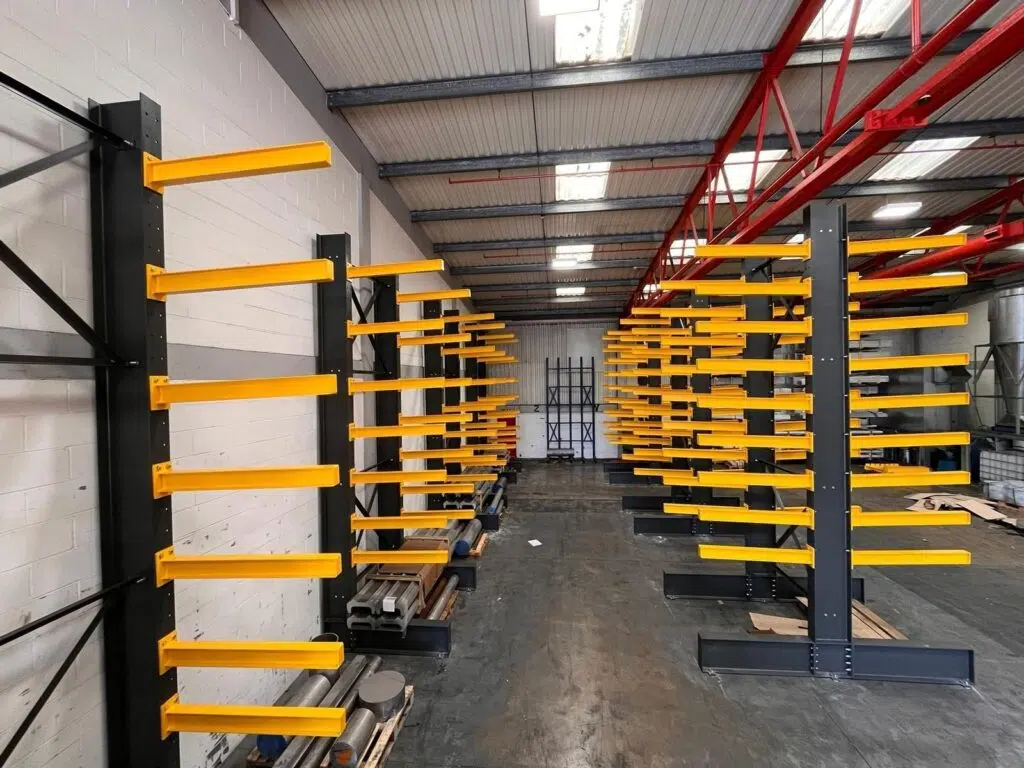
How Insufficient Racking Restricts Operations
Choosing not to upgrade storage racking that was once adequate for business needs can bring numerous challenges and exert significant impacts on both short‑term and long‑term operations.
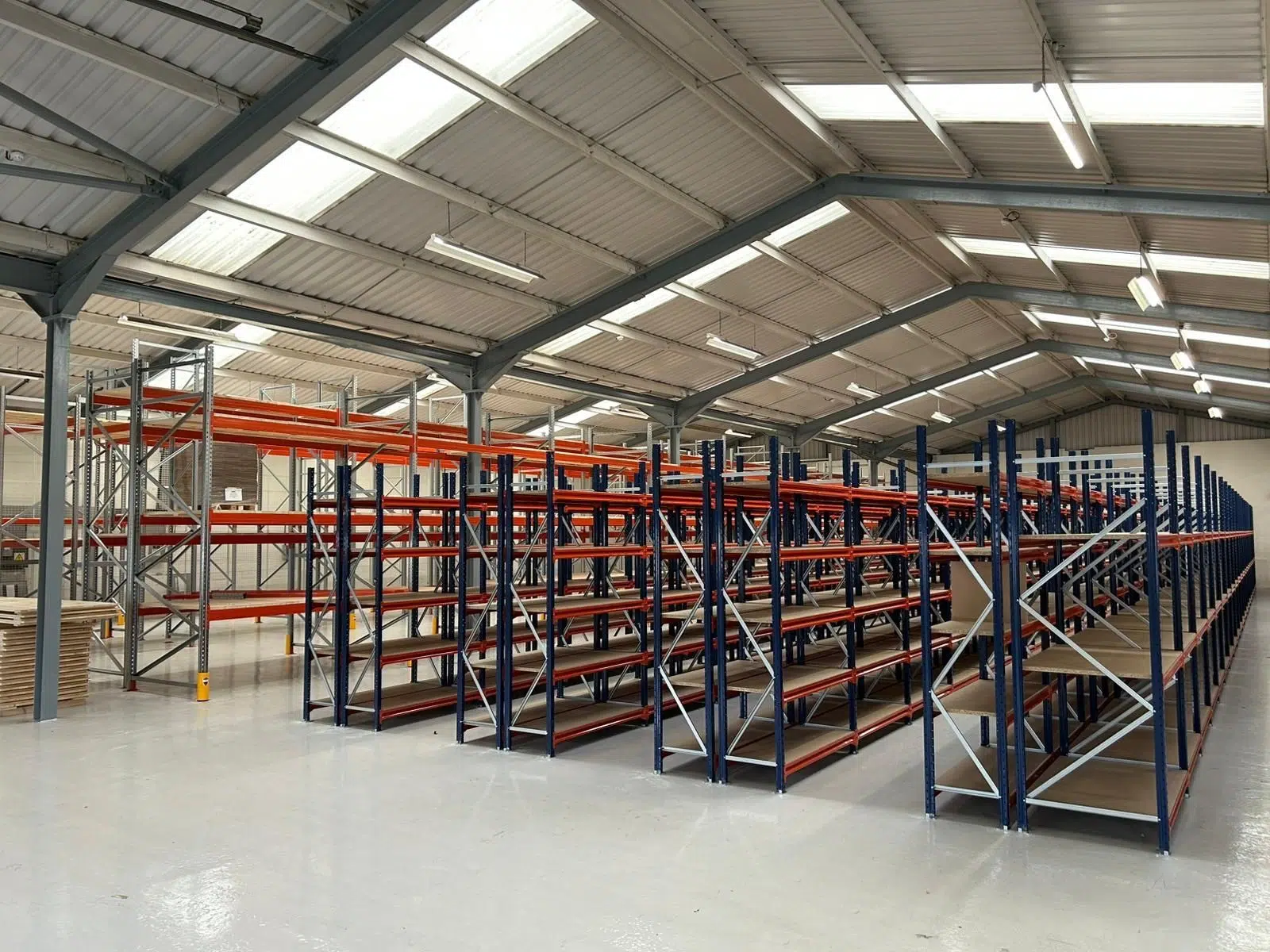
1.Health and Safety
Operating without proper racking or continuing to use damaged racking poses serious safety hazards to staff and site visitors. Unstable racking may eventually collapse, resulting in personal injury or fatalities. This can lead to a rise in workplace injuries and compensation claims, driving up overall operational costs and eroding employee trust.
2.Inventory
Improper inventory storage causes product damage from falling goods and damp conditions. Stacking products directly on the ground also hinders easy access, disrupts workflows and creates safety risks. Over time, such profit losses accumulate and turn into substantial expenses.
3.Efficiency
Insufficient warehouse racking results in inefficient warehouse layouts and poor floor‑space utilisation, and impedes the movement of personnel and forklifts. This drives up labour costs and reduces profit margins due to wasted time on inventory handling.
4.Improper Installation
Inadequate racking infrastructure and maintenance can severely hamper logistics operations. If a storage system is improperly installed, the racking may fail to meet load‑bearing requirements or compliance standards, raising the risk of malfunction or collapse. In the long run, this generates extra maintenance costs, increases unplanned downtime and exposes the business to heavy fines.
The Cost of Delaying Racking Upgrades
Postponing racking upgrades may seem like a cost‑saving measure, yet its financial consequences usually outweigh the initial investment over time. Risks including inventory loss, higher insurance premiums, workplace injury claims and inefficient workflows build up hidden costs. Furthermore, non‑compliance with regulatory requirements may lead to substantial fines or even temporary site shutdowns.
In industries where safety, quality and speed are critical, a storage infrastructure not built for future‑proofing can weaken your facility’s market competitiveness — especially during seasonal peak periods and for future business expansion plans.

When to Consider an Upgrade?
Regular audits to assess your current layout and operations are essential. It may be time to invest in upgrades if your business encounters any of the following situations:
Frequent inventory damage or product loss
Rising number of safety incidents or near‑miss events
Low floor‑space utilisation and limited picking efficiency
A need to expand product lines and capacity for peak‑period demand
Signs of wear, tear or instability on existing racking
Proactive strategic planning and facility upgrades help your brand avoid prolonged downtime and minimise disruptions to both employees and customers.