
Managing a raw material warehouse effectively is the core of smooth manufacturing. A well-organized warehouse cuts downtime, reduces waste and boosts staff productivity. This guide covers layout planning, inventory management and digital tracking to help you streamline raw material storage.
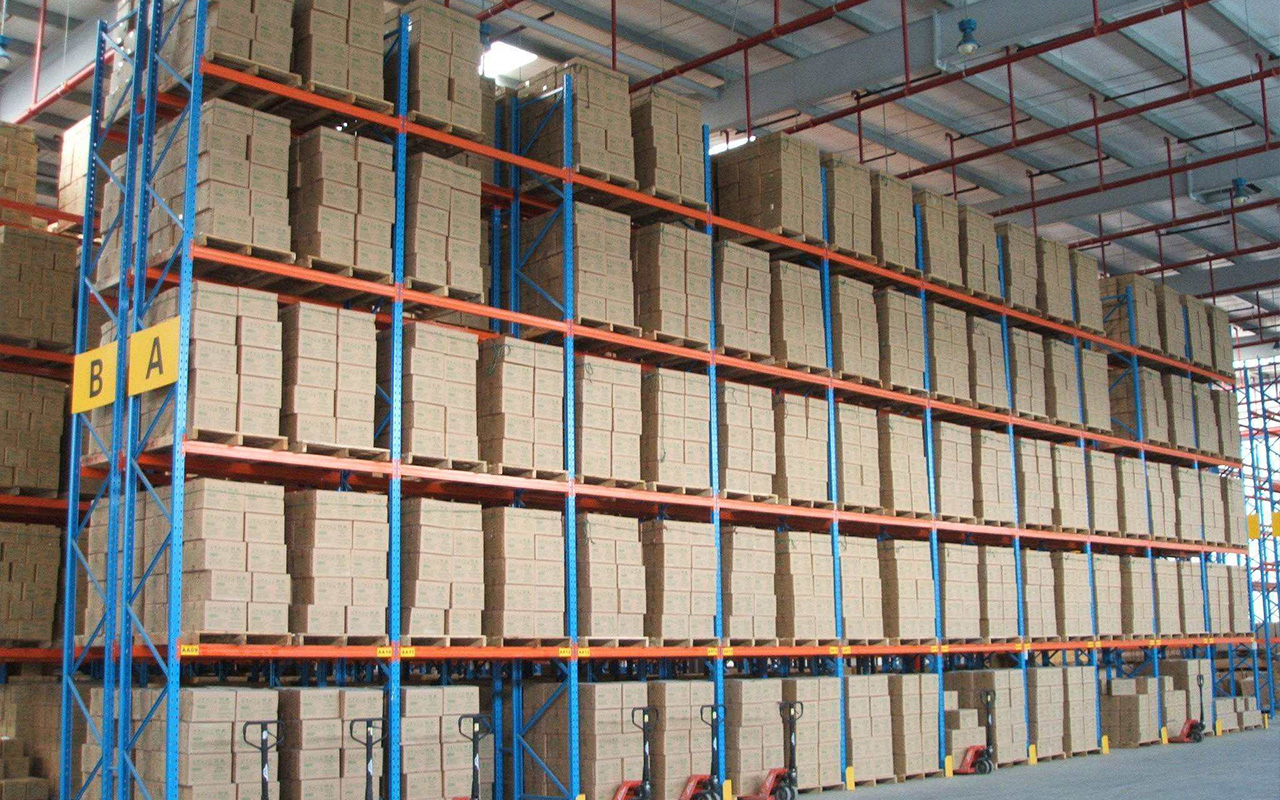
Laying the Groundwork: Space and Layout
Before placing pallets, calculate the required warehouse space based on actual dimensions. Besides pallet areas, reserve space for operational aisles, goods receiving zones, packing areas and future business expansion.
With clear space demands, design a reasonable raw material warehouse layout plan. Adopt U-shaped or I-shaped workflow to shorten walking routes.
When arranging warehouse goods, prioritize easy access and ergonomics. Place fast-moving materials near production and delivery areas. To maximize vertical space, adopt warehouse area optimization solutions, such as mezzanine platforms, narrow-aisle racking and mobile shelving.
Proven Methods for Organizing Raw Materials
Choose proper material storage methods according to inventory turnover, quantity and value.
ABC Analysis
Classify goods via the ABC method:
- Category A: High-value, fast-moving goods (80% of total value, 20% of stock) – place in easily accessible areas.
- Category B: Medium-value goods – use standard storage.
- Category C: Low-value bulk goods – store at the warehouse rear.
FIFO Management
For perishable items, chemicals and time-sensitive materials, apply First-In, First-Out storage rules. Gravity flow racks are ideal for FIFO, which effectively avoids material deterioration and economic losses.
Labeling, Tracking and Workflow Efficiency
Adopt unified material labeling and coding rules for quick identification. Use barcodes or alphanumeric codes to mark material type, batch number and storage zone.
Upgrade management with RFID technology for warehouse management. RFID supports multi-item scanning without line-of-sight, speeding up receiving and improving inventory accuracy.
Match hardware with reliable warehouse management software (WMS). The system automates data updates, displays real-time stock and standardizes the detailed material receiving & dispatching process, eliminating operational bottlenecks.
Loss Prevention and Inventory Auditing
To prevent raw material loss, enforce access control and regular inventory checks.
Adopt cycle counting instead of full annual stocktaking. Use a unified periodic warehouse inventory report template to record discrepancies, damage and missing goods, so you can quickly find out the root causes.
Infrastructure, Equipment and Safety Standards
Store heavy materials on heavy-duty racking systems to avoid collapse risks.
Select suitable handling equipment by referring to a comparison of warehouse forklift types: reach trucks fit narrow aisles and high racks; counterbalance forklifts work better for loading and unloading.
Follow the 5S principles for production warehouse management to keep the site efficient and orderly:
- Sort: Clear out unnecessary items
- Set in Order: Arrange materials neatly
- Shine: Maintain a clean environment
- Standardize: Form fixed operating rules
- Sustain: Keep good management habits
Strictly follow raw material storage safety standards. Store hazardous chemicals in compliance with local regulations, equip ventilation and leakage prevention facilities, and post clear warning signs. Provide regular safety training for all staff.
结论
Warehouse organization requires continuous optimization. Reasonable space planning, ABC & FIFO strategies, RFID and WMS systems, plus 5S and safety rules will build a stable and efficient supply chain. Optimize your warehouse step by step to support better manufacturing operation.